Working Together: Deepening Our Behavioral Health Impact in Illinois
Over two days, attendees engaged in conversations that bridged policy, practice, belonging and sustainability in mental health care. The Summit also offered 10 CEUs for Illinois social workers and counselors, reinforcing the event’s value as both a learning and networking opportunity.
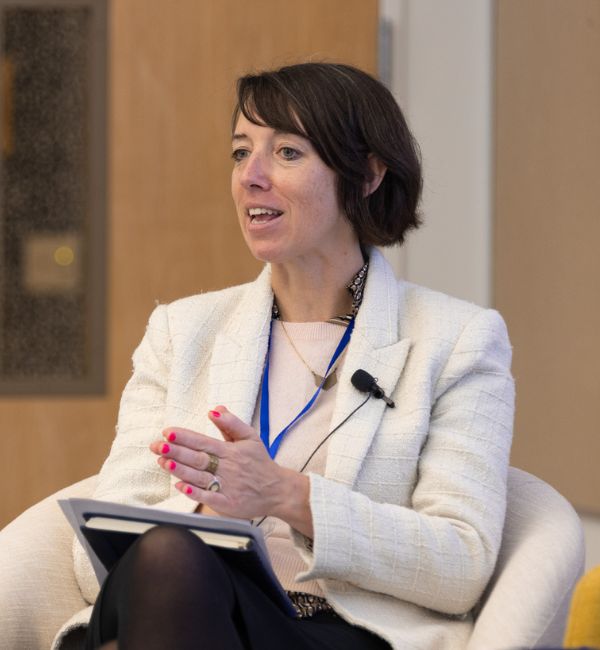
One highlight was the policy roundtable featuring Illinois State Representative Lindsey LaPointe, chair of the Mental Health & Addictions Committee. The panel also featured chief behavioral health officer for the State of Illinois, Dr. Inger Burnett-Zeigler, senior director of policy for NAMI Chicago, Jim Poole, and NAMI Illinois’ director of research and policy, Tony Olhausen. Their conversation shed light on current legislation, legislation in progress, and practical ways for providers to engage in advocacy. When asked how Illinois leaders are working to align and safeguard priorities amid uncertainty around federal funding, LaPointe responded:
“What we are doing as legislators at this moment is being in conversation with our Department of Health and Family Services and wrapping our heads around the scope of what the changes are to come. And we’ve been doing that since the Spring.”
Her response underscored the importance of clarity, proactive communication across agencies, and legislative precision in navigating policy change.
Across sessions and conversations, several core takeaways stood out:
- Strategic leadership is essential. Leading boldly means moving beyond reactive responses and shaping systems with intention and collaboration.
- Policy and practice are deeply linked. Sustainable mental health care requires providers to understand insurance, funding, and advocacy—not just direct service.
- Stay human centered. Community-led models, wrap-around care, and mutual aid are critical to addressing disparities in care.
- Sustainability requires infrastructure. Speakers emphasized the need for diverse funding streams, partnerships, and stronger professional networks.
The Summit reinforced that change in the field cannot happen in isolation—individual providers thrive when supported by community, policy, and shared leadership. The connections made during the event have sparked interest in follow-up working groups, peer networks, and continued collaboration with Sista Afya and community-based organizations. Partnerships with community organizations like Sista Afya Community Care help lay the groundwork for a mental health ecosystem that is accessible to everyone, sustainable, and community centered.
Interested in expanding your impact? Explore Erikson’s Infant and Early Childhood Mental Health Certificate Program to deepen your understanding of early relationships and emotional development.
Join the Erikson family with monthly news + events updates shared by academics, community members, and families.




Create a Better Future For Children While Building Yours
Embark on your early childhood graduate program path at Erikson Institute and start changing lives.