Thinking About a Career Change? Early Childhood Jobs Beyond the Classroom
You may still feel strongly connected to early childhood education while also thinking about different ways to practice within the field. That kind of reflection is both common and healthy. It often leads to an important realization: wanting a different role does not mean wanting to leave early childhood; it can mean wanting to practice within it differently.
For educators asking how to remain in early childhood while working differently, early intervention is often a path worth exploring.
What Early Intervention Is and Why It Resonates with Educators
Early intervention is a field grounded in early childhood development that focuses on supporting infants and young children, from birth to age three, who have developmental delays or disabilities. The work centers on collaboration with families, individualized support, and meeting children in the environments where they already live and learn. These settings can include homes, childcare programs, health care environments, and community-based programs.
What often resonates with teachers and childcare providers is how closely early intervention aligns with their passion for supporting children and families, while offering a different pace and structure for that work. The work draws on skills educators value, including careful observation of development, responsiveness to individual differences, and strong partnerships with caregivers. Rather than stepping away from meaningful work, many professionals find that early intervention allows them to continue doing what they care about most in a different context and with a different focus.
Early Childhood Careers Beyond the Classroom Are More Common Than You Think
One common misconception in early childhood education is that classroom teaching is the primary or final career destination. In reality, early childhood expertise is essential across a wide range of roles and settings beyond traditional classrooms.
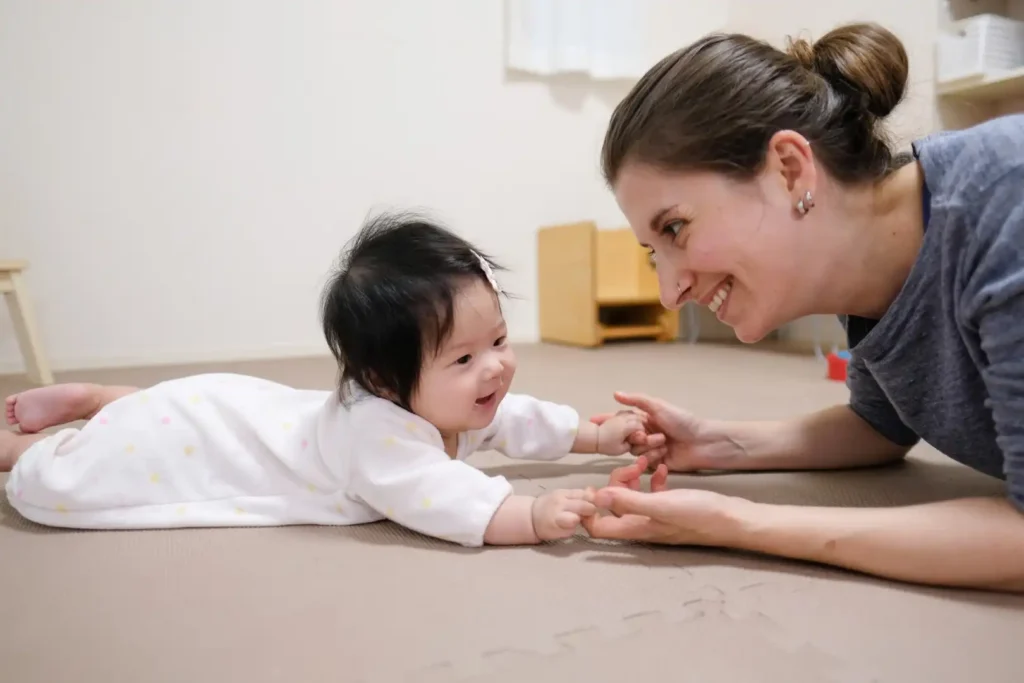
Early intervention professionals, developmental therapists, and family support professionals work in homes, childcare programs, health care settings, community organizations, and early childhood agencies. While the work setting may change, the foundation remains the same: a strong understanding of child development and a commitment to supporting families during critical early years.
For educators who want to stay closely connected to children while exploring new ways to practice, these roles often feel like a natural progression.
Your Classroom Experience Builds a Strong Foundation
Many educators hesitate to explore new roles because they worry about starting over or leaving behind work that has shaped their professional identity. While early intervention does require specialized preparation, the skills developed through teaching and child care experience provide a strong foundation for this work.
Skills such as observing development over time, documenting progress, adapting learning environments, communicating effectively with caregivers, and responding flexibly to children’s needs are central to early intervention practice.
“There is a significant need for Developmental Therapists in Illinois and across the country. Many early childhood professionals have found that the relational nature of working with families in their homes and supporting parent-child relationships is very rewarding and a great next step in their career path. Enhancing your skill set with a master’s degree focused on early intervention is a wonderful way to prepare to work as a Developmental Therapist.”
— Sarah Martinez, MSECE Early Intervention Program Director
“I was inspired to pursue an Early Intervention degree at Erikson because of my passion for working with children and families, especially after years of experience in Early Childhood Education. Throughout my career as a Teacher, I realize that most of the children I encountered needed extra support. Since the beginning of the program, the support of Erikson has strengthened both my professional and personal growth. I have become more intentional in my interactions, more reflective in my practice, and more confident in supporting children with diverse needs.”
— Deborah Batie, Kindergarten Transition Specialist, MSECE Early Intervention 2027
Professional growth in early childhood involves building on experience through focused preparation rather than leaving past work behind.
Envisioning Yourself in an Early Intervention Role
For many educators, imagining a role outside the classroom can feel uncertain, particularly in a field so closely tied to identity, values, and long-standing relationships with children and families. Early intervention roles, such as Early Intervention Specialist or Developmental Therapist in Illinois, offer opportunities to work closely with young children and families while collaborating as part of multidisciplinary teams that may include therapists, service coordinators, and other early childhood professionals.
These roles emphasize relationship-based practice, collaborative problem-solving, and shared expertise. Many educators appreciate the opportunity to contribute their knowledge within teams that support children and families from multiple perspectives.
For professionals seeking meaningful, long-term work in early childhood, early intervention can offer both purpose and sustainability.
Exploring What Is Next Without Giving Up What Matters
If you find yourself curious about early intervention, that curiosity does not signal a departure from early childhood education; it can be a sign that you are ready to explore new ways to apply what you already do well.
Many educators start by learning more about what early intervention work looks like in practice, what preparation is required, and how their background might support future learning.

Join the Erikson family with monthly news + events updates shared by academics, community members, and families.


Create a Better Future For Children While Building Yours
Embark on your early childhood graduate program path at Erikson Institute and start changing lives.