
Big Ideas of Data Analysis
Data analysis gathers information in a quantitative way, and then organizes it in some way that makes comparison and generalization possible. Learn the big ideas of data analysis and explore related activities, books, and resources.
Understanding Data Analysis
For many early childhood teachers, the words “data analysis” are associated with detailed charts and graphs, computers, and sophisticated ways of analyzing numbers. Other teachers know that data analysis can be very simple, like making a list of items and writing how many you have of each in parentheses, or creating and talking about a bar graph whose bars are higher for snowy than rainy days in the month of January.
Whether the process involves specialized statistical software or markers and chart paper, what remains the same is that data analysis gathers information in a quantitative way (how many?), and then organizes it in some way that makes comparison and generalization possible.
Copyright: Erikson Institute’s Early Math Collaborative. Reprinted from Big Ideas of Early Mathematics: What Teachers of Young Children Need to Know (2014), Pearson Education.

It is useful to compare parts of the data and to draw conclusions about the data as a whole
Using the analysis we have done to learn something new is the final step and ultimately the purpose of data analysis. Emphasizing this makes the entire process of analyzing data make sense to young children.
Data must be represented in order to be interpreted, and how data are gathered and organized depends on the question
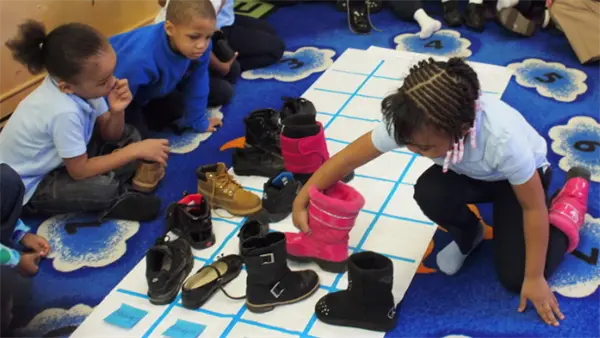
With scaffolding and thoughtful guidance, young children can follow the steps involved in a simple data analysis process. When they have experience answering different types of questions, they begin to see that data becomes most helpful when it is visually depicted, and that these depictions will differ depending on the question at hand.
The purpose of collecting data is to answer questions when the answers are not immediately obvious
The most important thing young children can learn about data analysis is why we do it. When they understand that it might be the most effective way to answer a difficult question, they have the piece of information that makes data analysis something they might want to know more about. Knowing the purpose of data analysis motivates children to try it and to try to understand how it works.
Explore Books & Resources Related to Data Analysis
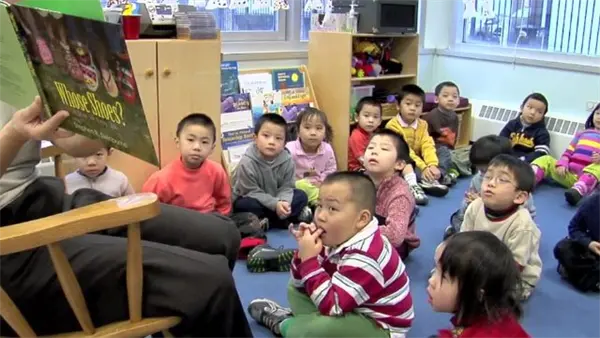
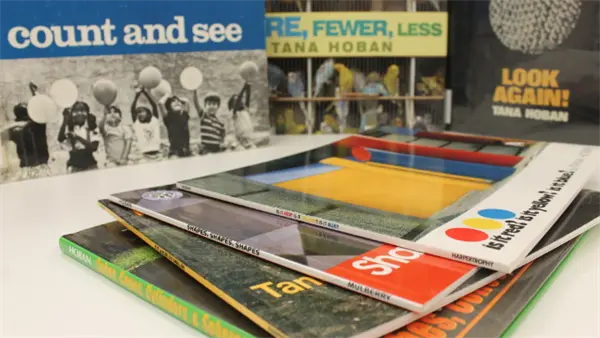
If you let the Big Ideas of data analysis guide your use of books and activities, children can learn that quantitative information is something they can do something about. They will feel empowered to reorganize it to create answers to questions and to discover new questions that they did not have before. They will know that a chart or graph is meant to tell them something useful, and will want to figure out what that is. Here are different book-related ideas for launching data analysis activities.






Big Ideas of Early Mathematics
What Teachers of Young Children Need to Know
The Big Ideas that convey the core concepts of mathematics are at the heart of this book that gives early childhood educators the skills they need to organize for mathematics teaching and learning during the early years.

Join the Collaborative
Together, We Can Change the Way Math Is Taught
Join a hub of educators, administrators, and professionals reframing the way we think about and teach math.