
Big Ideas of Sets
A set is any collection that is grouped together in some meaningful way. Learn the big ideas of sets, and explore related activities, books, and resources.
Understanding Sets
We often fail to appreciate how much of young children’s lives—and above all their play—involves thinking about and working with sets of things. A set is any collection that is grouped together in some meaningful way. In fact, in order to learn the names of things, children must create sets in their mind, like the set of “dogs” that includes their own dog, the neighbor’s dog, and that dog that barks at us on the way to preschool. For their definition of “dog” to be like that of the adults around them, they must group these three animals together mentally to create a meaningful collection. Sets, then, are basic to children’s thinking and learning. They are also basic to our number system.
Copyright: Erikson Institute’s Early Math Collaborative. Reprinted from Big Ideas of Early Mathematics: What Teachers of Young Children Need to KnowOpens a new window (2014), Pearson Education.

Sets can be compared and ordered
When young children are exposed to the Big Idea that the same collection can be sorted in different ways, they gain a deeper understanding of the relationship between sets and sorting, and the idea of a set becomes more flexible for them.
The same collection can be sorted in different ways
Children who are aware of the Big Idea that sets can be compared and ordered know that organizing things into groups makes it easier to figure out what we have more and less of.
Attributes can be used to sort collections into sets
Young children who understand the Big Idea that attributes can be used to sort collections into sets have a working knowledge of what a set is and how it is constructed. Experiences with attributes are central to developing this as they give a solid understanding of how we define collections of things.
Explore Books & Resources Related to Sets
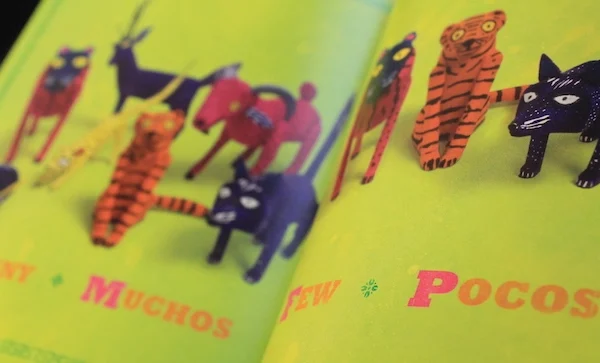
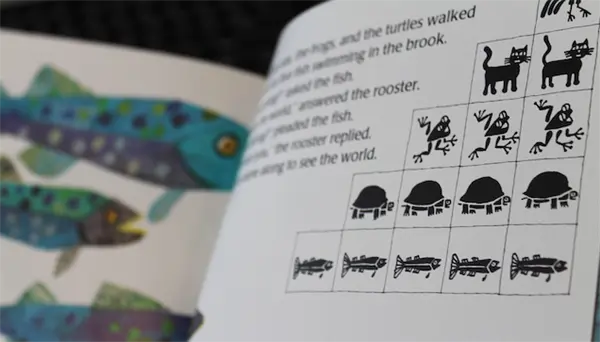
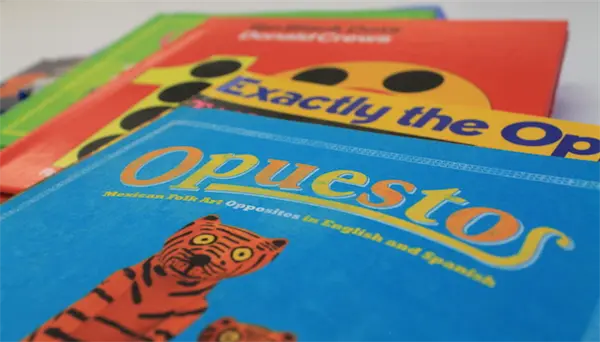
Children in a math-rich early childhood classroom will have many experiences working with sets, including having preschool and kindergarten books to read that explore sets and sorting, as well as matching and sorting items that are described in those books. They will need many opportunities to sort and categorize features of the classroom and to join in conversations about meaningful or useful ways to break a collection into sets. These experiences help them construct the ideas that are the foundation upon which competent and flexible counting can be built.


Big Ideas of Early Mathematics
What Teachers of Young Children Need to Know
The Big Ideas that convey the core concepts of mathematics are at the heart of this book that gives early childhood educators the skills they need to organize for mathematics teaching and learning during the early years.

Join the Collaborative
Together, We Can Change the Way Math Is Taught
Join a hub of educators, administrators, and professionals reframing the way we think about and teach math.